Contents12
Living in Lisbon costs €1,400–3,200/month depending on lifestyle — cheaper than London or Amsterdam, but no longer the budget destination it was five years ago. Here's every number you need, sourced and dated.

Monthly Budget Overview
Rent is the dominant cost. Everything else — food, transport, coworking — is reasonable by Western European standards.
| Tier | Monthly total | What it covers |
|---|---|---|
| Frugal | €1,400–1,700 (~$1,500–1,820) | Room in a flat share, cooking most meals, free café wifi |
| Comfortable | €2,000–2,500 (~$2,140–2,675) | Own 1BR outside centre, mix of eating in/out, coworking membership |
| Premium | €2,800–3,500 (~$3,000–3,745) | Nice 1BR in centre, eating out often, dedicated desk |
Sources: Numbeo, Nov 2026; local rental listings.
Rent
Rent is the number to plan around. A 1-bedroom in the city centre averages €1,450/month (range: €1,200–1,900). Outside the centre the average drops to €1,067 (Numbeo, Nov 2026).
Rooms in flat shares start at €400–600/month — the realistic path to a frugal budget. Monthly discounts of 15–20% are common on longer-term listings.
Daily Prices
| Item | Price (€) | Source |
|---|---|---|
| Cappuccino | €2.75 | Numbeo, Nov 2026 |
| Cheap restaurant lunch (prato do dia) | €10–15 | Local average |
| Mid-range dinner (2 people) | €55 | Numbeo, Nov 2026 |
| Domestic beer (0.5 L, bar) | €3.00 | Numbeo, Nov 2026 |
| Monthly groceries (mostly cooking at home) | €250–350 | Numbeo estimate |
| Local SIM (10 GB+ plan) | €15/month | Numbeo, Nov 2026 |
| Single metro/bus ticket | €2.10 | Carris/Metro, 2026 |
| Monthly transit pass | €40 | Carris/Metro, 2026 |
| Uber/taxi (per km, approx.) | €0.90–1.10 | Local estimate |
| Gym membership | €25–45/month | Local gyms |

Coworking
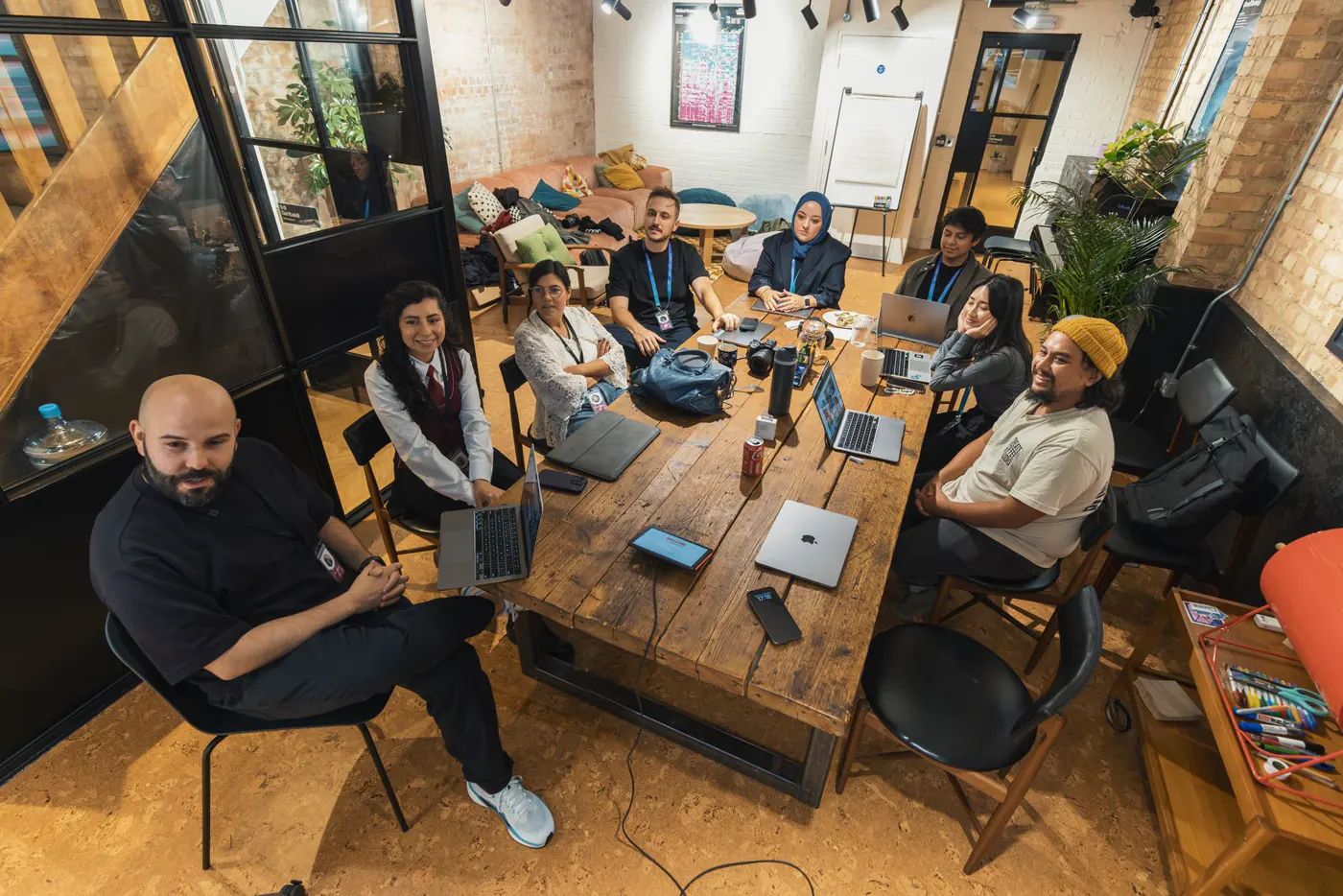
Lisbon has a mature, well-spread coworking scene. Prices vary significantly by location and style.
| Space | Day pass | Monthly hot desk | Area |
|---|---|---|---|
| Heden Alvalade | €10 | €150 | Alvalade |
| Heden Rossio | €14 | €150 | Rossio |
| Second Home Lisboa | €25 | €230+ | Cais do Sodré |
| Independent spaces | €12–20 | €120–200 | Various |
Day passes across the city: €10–25. Monthly hot desks: €120–250.
Internet & Tech
Connectivity is not a concern in Lisbon.
- Fixed broadband: 211 Mbps download / 121 Mbps upload (SpeedGEO city average, mid-2026)
- Mobile (4G/5G): 137 Mbps download average (SpeedGEO, mid-2026)
- Home broadband cost: from €28/month (Numbeo, Nov 2026) — NOS, MEO, Vodafone and Digi all offer gigabit plans
Fibre is widely available, including in older buildings in central neighbourhoods. Ask landlords to confirm before signing a lease.
Visa: Portugal D8 Digital Nomad Visa
Portugal's D8 visa is one of the most established nomad visas in Europe. It leads to a residence permit and eventually to an EU passport — but the income bar is high.
| Detail | Value |
|---|---|
| Income requirement | €3,680/month averaged over 3 months (AIMA, 2026) |
| Savings required | €11,040 in a bank account |
| Visa fee | €109.40 |
| Residence permit fee | €185.60 |
| Duration | 1-year temporary stay or 2-year residence permit (renewable) |
| Citizenship eligibility | After 10 years of legal residency (non-EU nationals) |
| Who qualifies | Non-EU/EEA nationals working remotely for clients/employers outside Portugal |
| Apply via | Portuguese consulate in your country of residence |
| Official page | aima.gov.pt |
Processing time: 6–9 months total (consulate + AIMA appointment + card). Budget time carefully if you plan to live there before the permit is issued.
The €3,680/month income threshold rules out early-career freelancers. For a full comparison of nomad visas worldwide, see the Digital Nomad Visa List 2027.
Tax: IFICI (NHR 2.0)
The original Non-Habitual Resident (NHR) tax regime closed to new applicants in December 2023. The replacement, IFICI (also called NHR 2.0), launched in 2024:
- 20% flat rate on qualifying Portuguese-source income
- Foreign income generally exempt (remote work for non-Portuguese clients/employers)
- Valid for 10 years
- Restricted to tech workers, researchers, and other high-value-activity professionals
If you're a typical nomad working for foreign clients, your foreign income is generally tax-exempt under IFICI. Non-qualifying residents fall back on Portugal's standard progressive rates (14.5%–53%). Get local tax advice — the qualifying criteria are specific.
Where to Stay
Best neighbourhoods for digital nomads
| Neighbourhood | Character | 1BR rent (approx.) | Best for |
|---|---|---|---|
| Arroios | Multicultural, affordable, rising | €900–1,200 | Budget nomads, long stays |
| Mouraria / Intendente | Authentic, local, café-rich | €850–1,100 | Character seekers, mid-budget |
| Príncipe Real | Elegant, cosmopolitan, pricey | €1,400–1,800 | Comfort-first, LGBTQ+-friendly |
| Chiado / Baixa | Central, touristy, expensive | €1,500–2,000 | Short stays, easy orientation |
| Alfama | Historic, hilly, atmospheric | €1,000–1,400 | Character, but impractical daily |
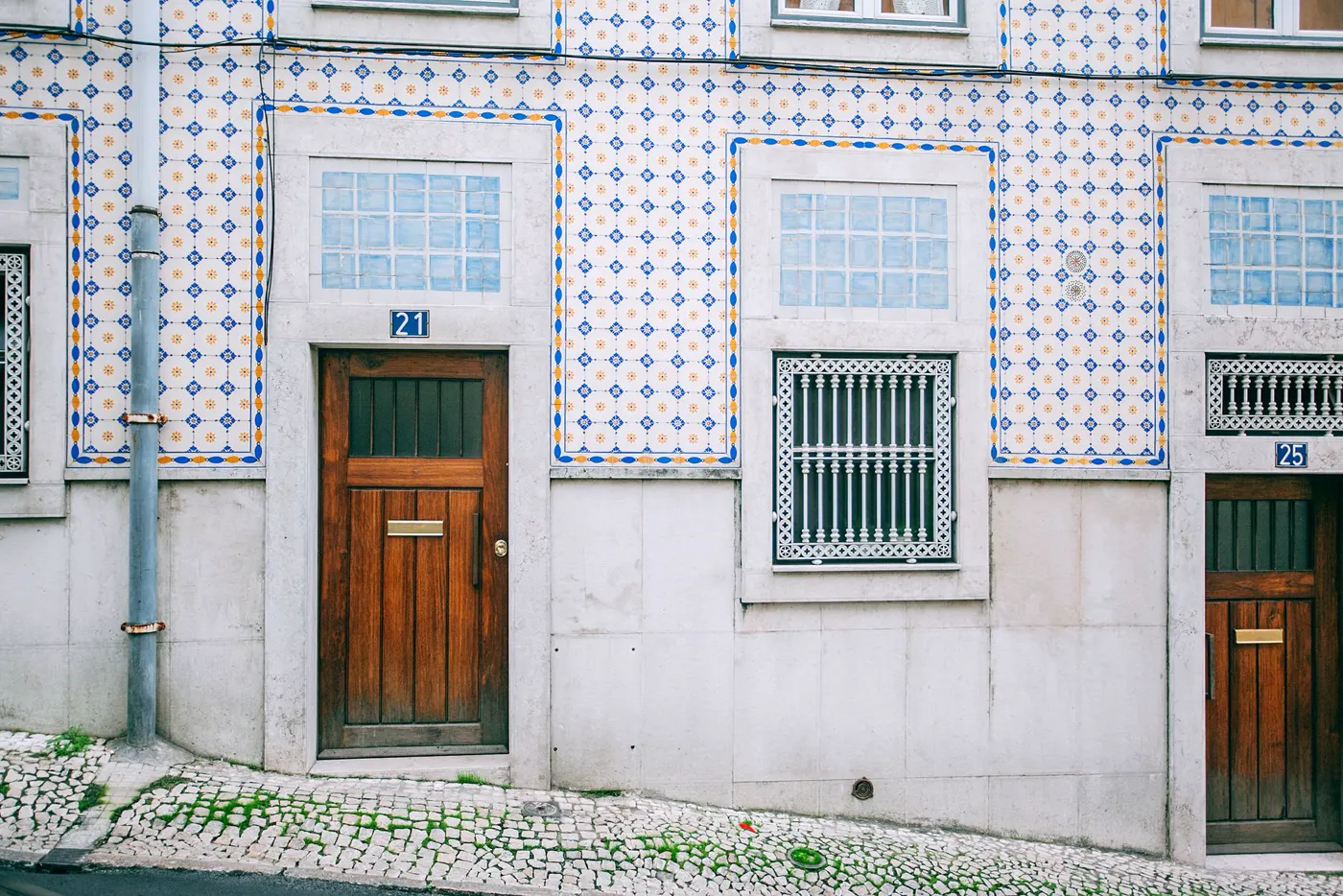
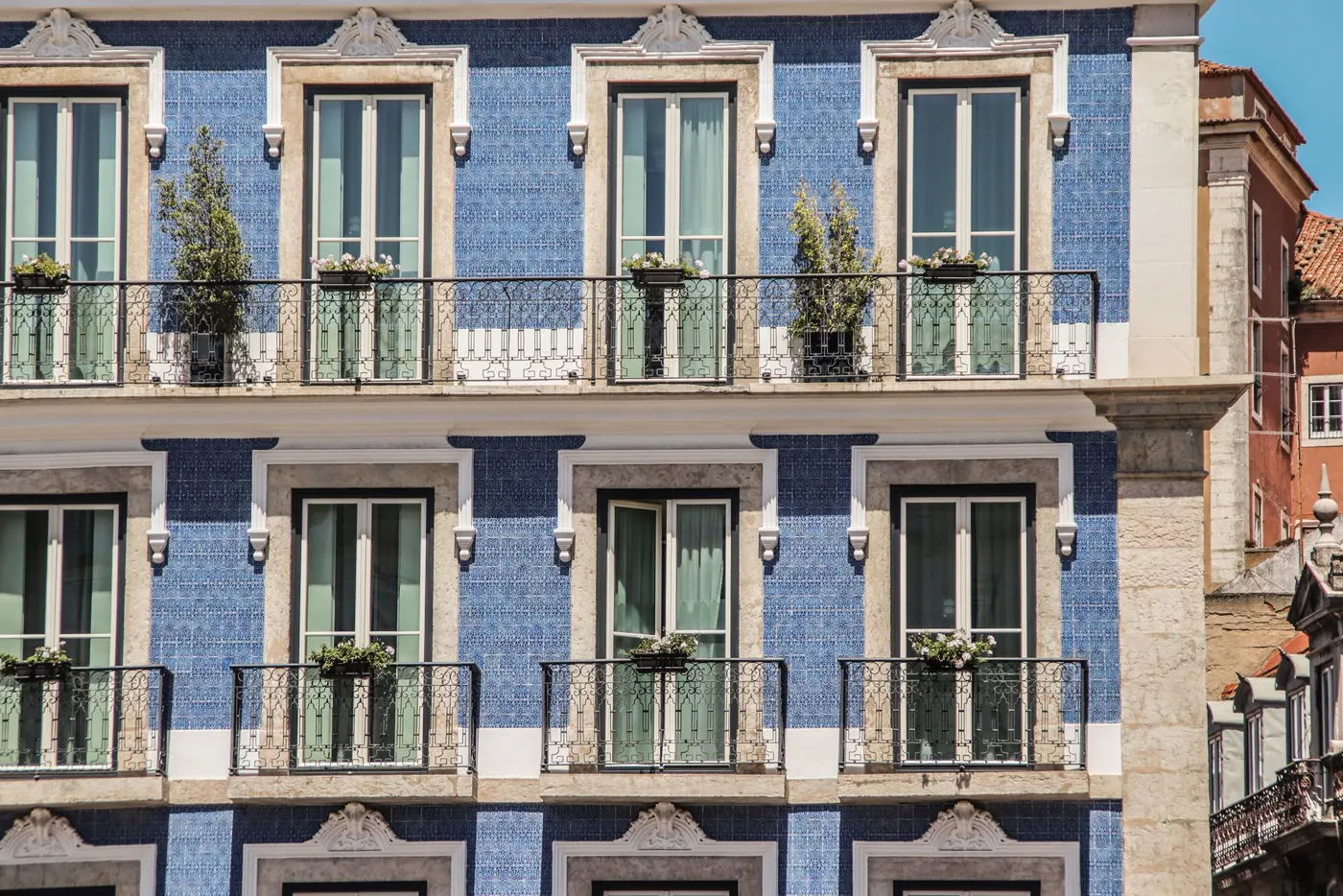
Arroios is the consensus first choice for longer-stay nomads: 40–50% cheaper than Chiado, good café and coworking density, well-served by metro. Mouraria and Intendente are slightly cheaper still and have a genuinely local feel. Bairro Alto is fun to visit but noisy and saturated with short-stay rentals — hard to live and work there.
When searching for a rental, look for: fibre confirmed in the building, a desk or space for one, and a monthly discount (most landlords give 15–20% off for 1+ month stays).
Find a place to stay in Lisbonaffiliate link
Practical
Banking & cards
Portuguese banks charge high fees for international accounts. For daily use, a multi-currency card (Wise) works at ATMs and for payments with real exchange rates. Open a local Portuguese bank account once you have residency — it makes rent transfers smoother.
Health insurance & healthcare
Portugal's public health system (SNS) is accessible to legal residents, but as a new arrival you'll need private health insurance. Quality private care is good and affordable by Western European standards. Nomad health insurance (SafetyWing) covers emergencies from around $45–100/month depending on age — confirm coverage is accepted for your visa type before you apply.
SIM & mobile data
Main operators: NOS, MEO, Vodafone, Digi. A SIM with 10 GB+ costs around €15/month (Numbeo, Nov 2026). If you need data the moment you land before sorting a local SIM, an eSIM for Portugal (Airalo) activates immediately.
Getting around
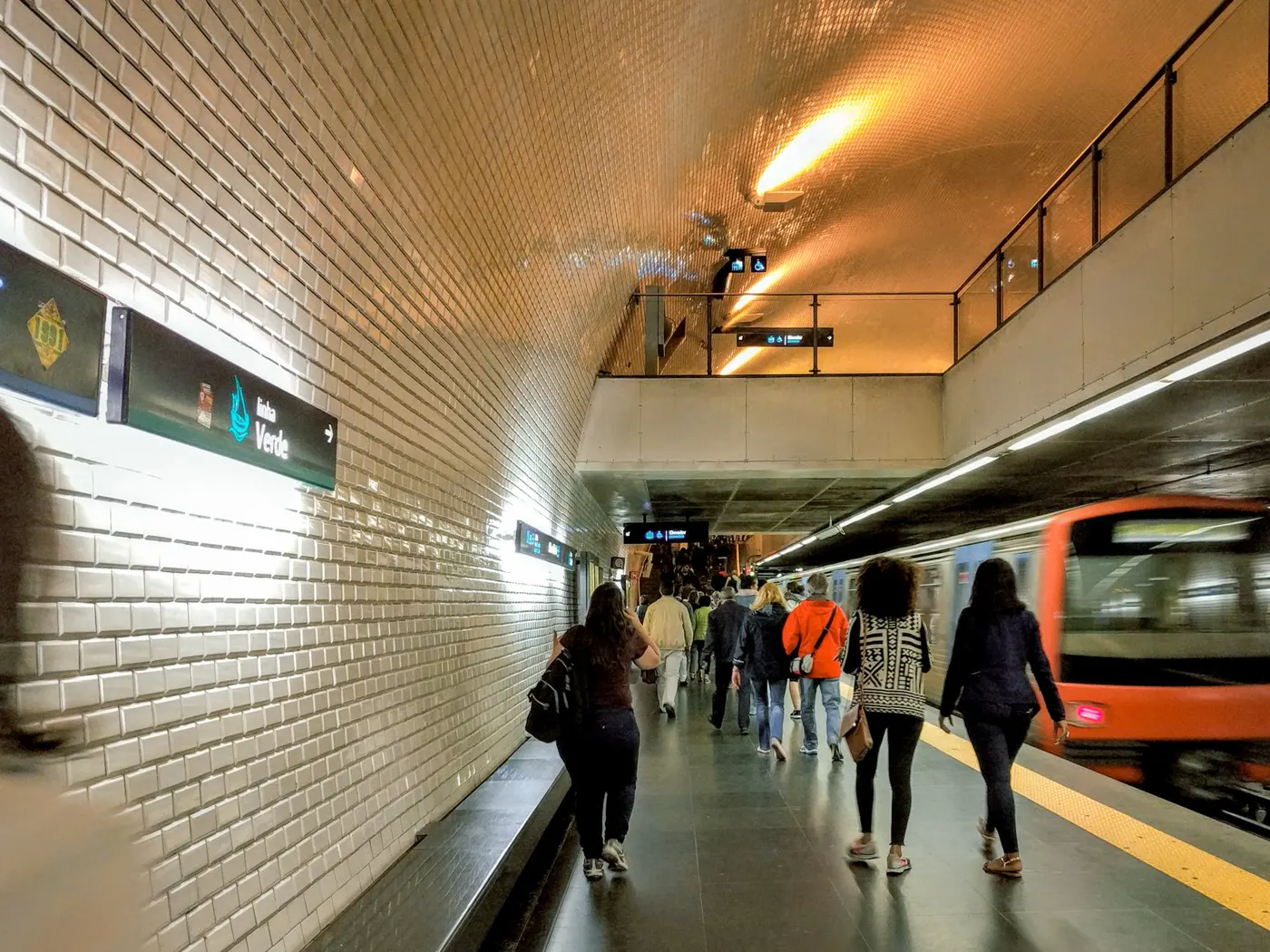
The metro covers all nomad-friendly central areas. A monthly unlimited pass is €40 — one of the cheapest in Western Europe. Trams are scenic but slow; Uber is cheap by European standards. Cycling is growing with dedicated lanes, though the hills make it tiring.
Things to do
Lisbon is well positioned for day trips: Sintra, Cascais and the Alentejo coast are under an hour away. Tours and day trips in Lisbonaffiliate link (GetYourGuide) cover guided city walks, Sintra day tours and boat trips on the Tagus.
Climate
| Season | Months | Avg temp | Notes |
|---|---|---|---|
| Spring | Mar–May | 14–22°C | Best weather; mild, low crowds |
| Summer | Jun–Aug | 25–35°C | Hot, dry, peak tourist crowds |
| Autumn | Sep–Nov | 17–26°C | Warm, quieter — nomad sweet spot |
| Winter | Dec–Feb | 8–15°C | Mild by European standards; some rain |
Time zone: UTC+0 (UTC+1 in summer). Excellent for working with European clients; manageable for US East Coast (5–6 hours behind).
Pros & Cons
| Pros | Cons |
|---|---|
| English widely spoken | D8 income bar is high (€3,680/mo) |
| UTC+0: easy overlap with Europe and US East | Rent rose sharply — no longer cheap |
| 211 Mbps fixed internet, good fibre coverage | Housing market is competitive; vacancy low |
| Very safe (Numbeo crime index: 33/100) | Summer heat (35°C+) and peak-tourist crowds in centre |
| Mild year-round climate | AIMA appointment waits: 6–9 months total for visa |
| Large English-speaking nomad community | IFICI eligibility restricted vs. original NHR |
FAQ
Is Lisbon affordable for digital nomads in 2026?
Affordable is relative. At €2,000–2,500/month for a comfortable solo setup, Lisbon is cheaper than London, Paris or Zurich — but noticeably more expensive than Southeast Asia or Eastern Europe. The main cost driver is rent, which has risen steeply since 2020.
What is the minimum income for the Portugal D8 visa?
€3,680/month averaged over three months, plus €11,040 in savings. The figure is pegged at four times Portugal's minimum wage (€920 in 2026) and adjusts annually.
Is internet fast enough for video calls and remote work?
Yes. Fixed broadband averages 211 Mbps download in Lisbon (SpeedGEO, 2026). Most coworking spaces have gigabit fibre. Even cafés have reliable wifi. Connectivity is not a meaningful concern.
Which neighbourhood is best for a first-time nomad in Lisbon?
Arroios for the best mix of price, coworking access and community. Príncipe Real if you prefer a quieter, more polished base and have the budget. Both are well-served by metro.
Does Portugal still have NHR tax benefits in 2026?
The original NHR closed December 2023. The replacement IFICI (NHR 2.0) still offers a 20% flat rate and foreign income exemptions — but only for qualifying professionals (tech, research, strategic sectors). Standard progressive rates (up to 53%) apply otherwise. Get a tax consultation before moving.
Lisbon offers fast internet, a large nomad community, a clear EU visa path and a mild climate. The trade-off is rent: budget €2,000+/month for a comfortable solo setup and check D8 eligibility before you book the flight.
If you're still choosing a base, see best countries for digital nomads or the step-by-step guide to going nomad.